Minor Scoliosis Symptoms: Early Signs to Watch
Dr. Katalina Dean2026-08-04T06:54:42-06:00Recognizing mild scoliosis early can lead to more effective treatment. Watch for uneven shoulders or hips in children and back pain in adults.

Recognizing mild scoliosis early can lead to more effective treatment. Watch for uneven shoulders or hips in children and back pain in adults.
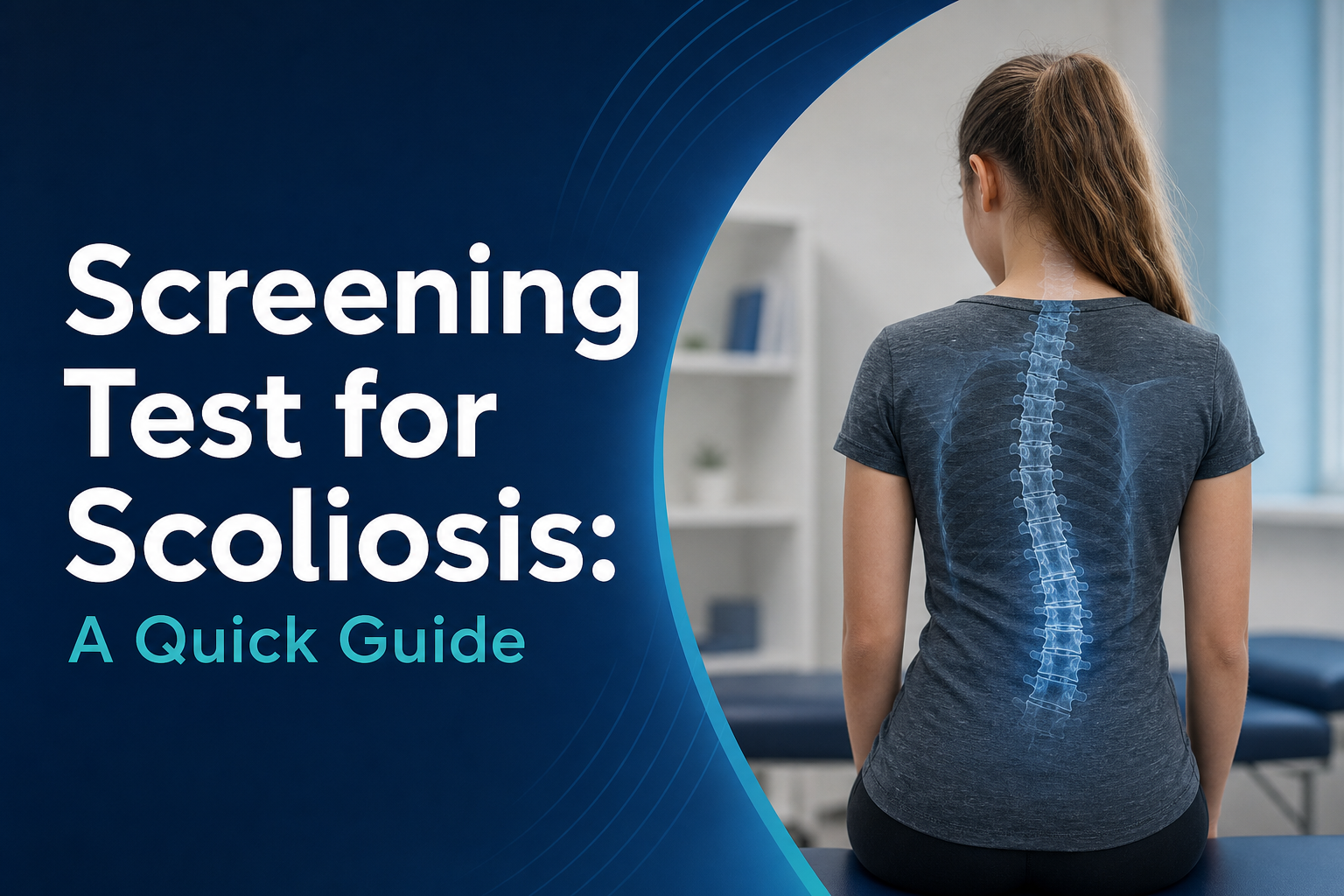
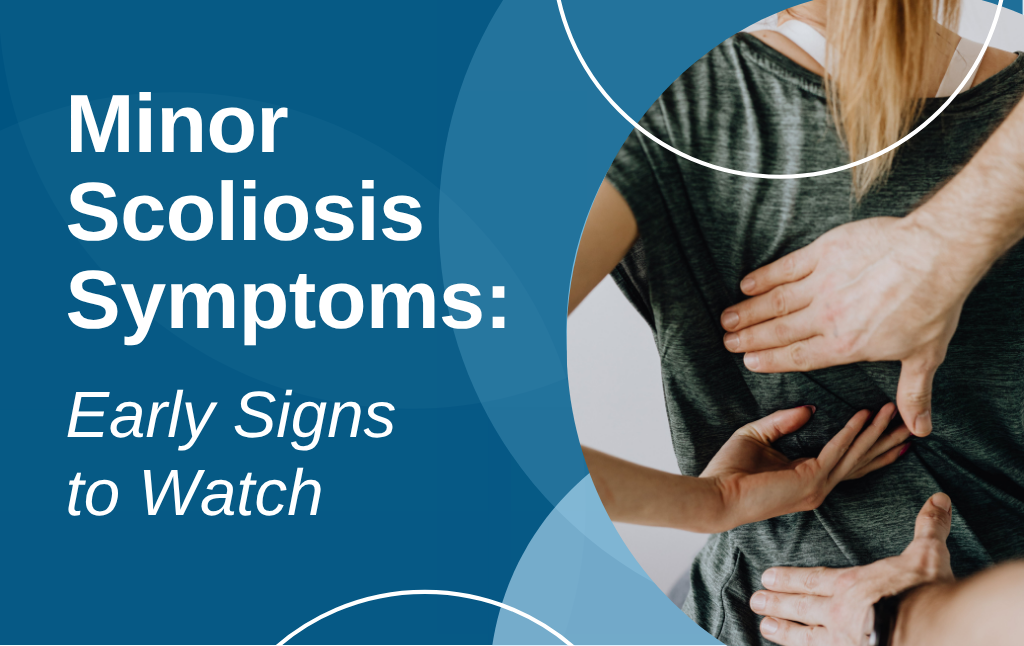
Scoliosis curves and rotates the spine, disrupting posture. Spotting early signs and confirming them with an X-ray can lead to earlier diagnosis and treatment.
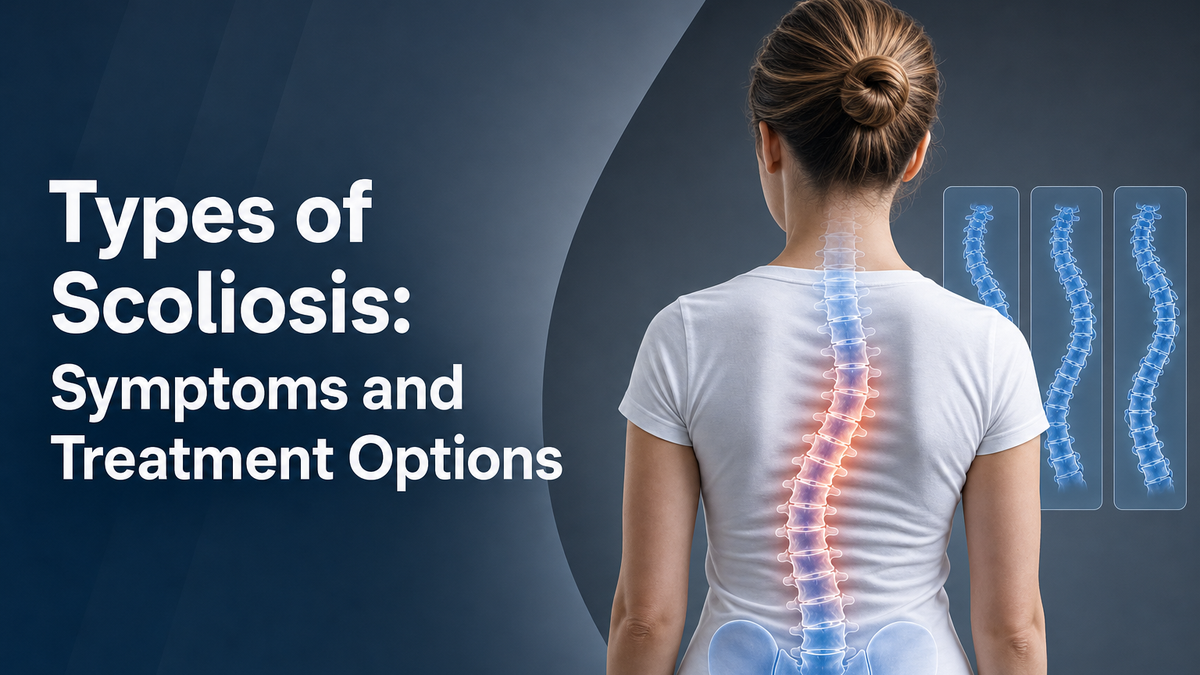
Scoliosis affects all ages and includes idiopathic, neuromuscular, and degenerative types. Effective treatment is individualized and targets the cause.
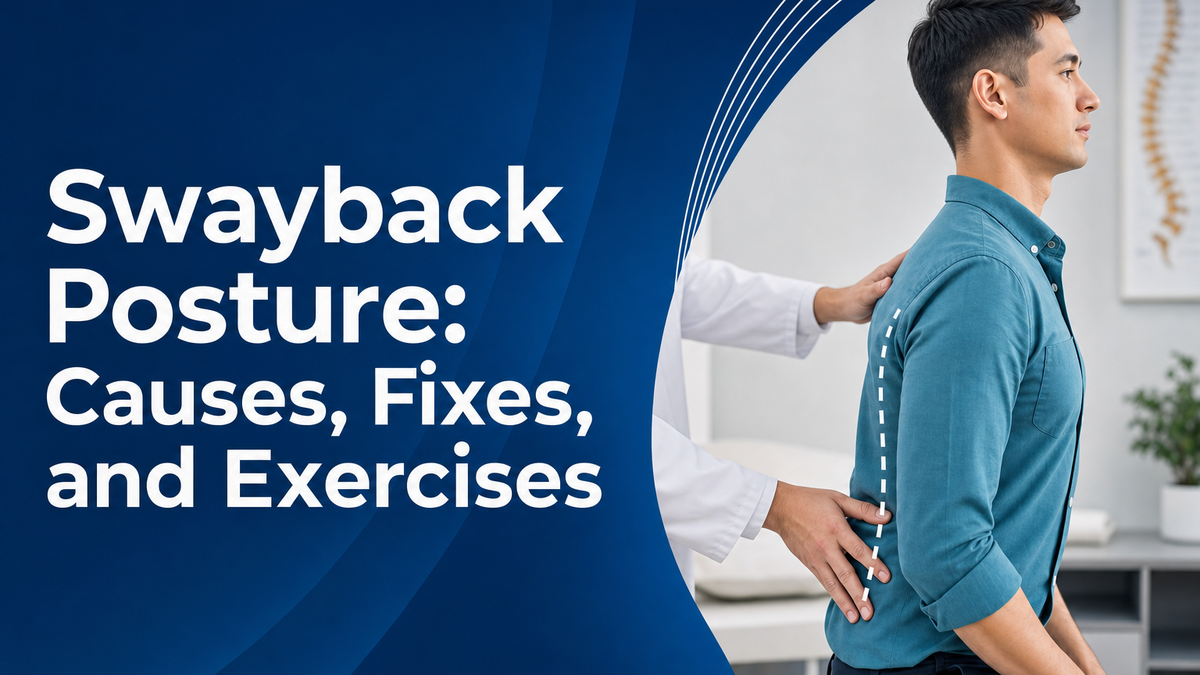
Swayback posture can affect spinal health, balance, and movement. Learn what causes this postural misalignment and how it can be corrected effectively.
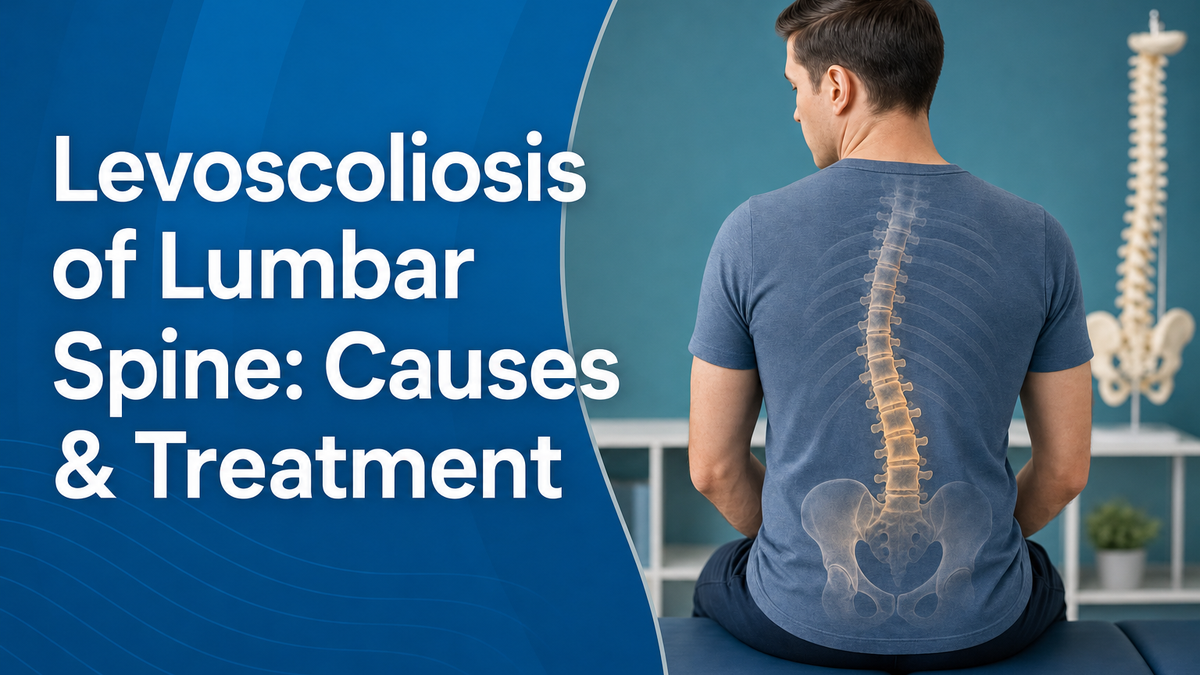
A lumbar levoscoliosis diagnosis means the lower spine has developed an abnormal sideways curve with rotation that can worsen and affect posture, movement, and pain.
Degenerative de novo scoliosis develops later in life due to spinal degeneration, often linked to disc disease. Most cases are progressive and painful.
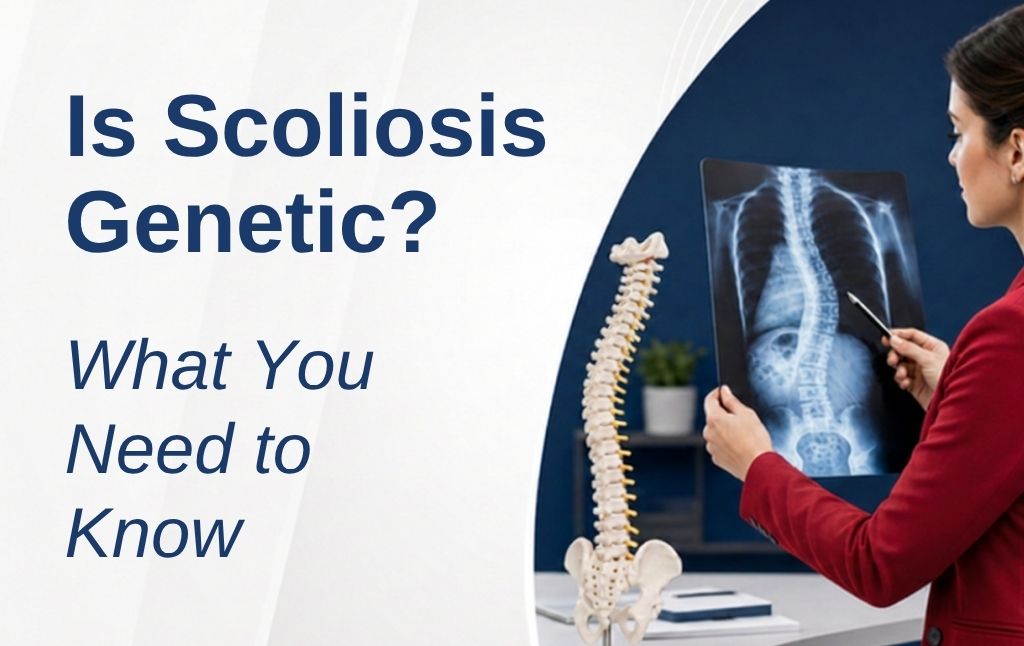
Family history is a key scoliosis risk factor, but no single gene has been identified. Early diagnosis and proactive treatment are what matter most.
Scoliosis can be disabling when severe, progressive, or untreated, affecting mobility and overall health. Early treatment can improve outcomes.
Poor posture can contribute to lower back pain by affecting spinal alignment and movement. Correcting postural issues may improve pain and function.
Scoliosis can worsen with age as growth and spinal degeneration drive progression, but early diagnosis and proactive treatment can help manage symptoms.