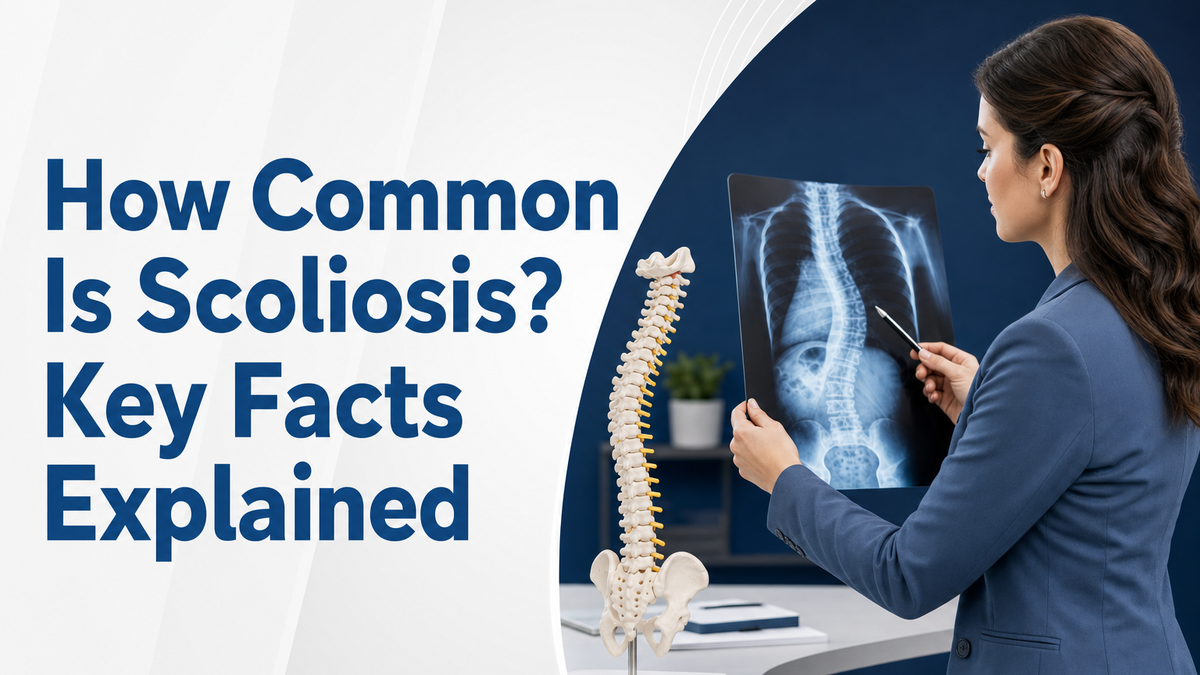
How Common Is Scoliosis? Key Facts Explained
Dr. Katalina Dean2026-05-19T09:08:20-06:00Early scoliosis detection and treatment can improve outcomes, helping manage curve progression and support long-term spinal health and function.

Early scoliosis detection and treatment can improve outcomes, helping manage curve progression and support long-term spinal health and function.
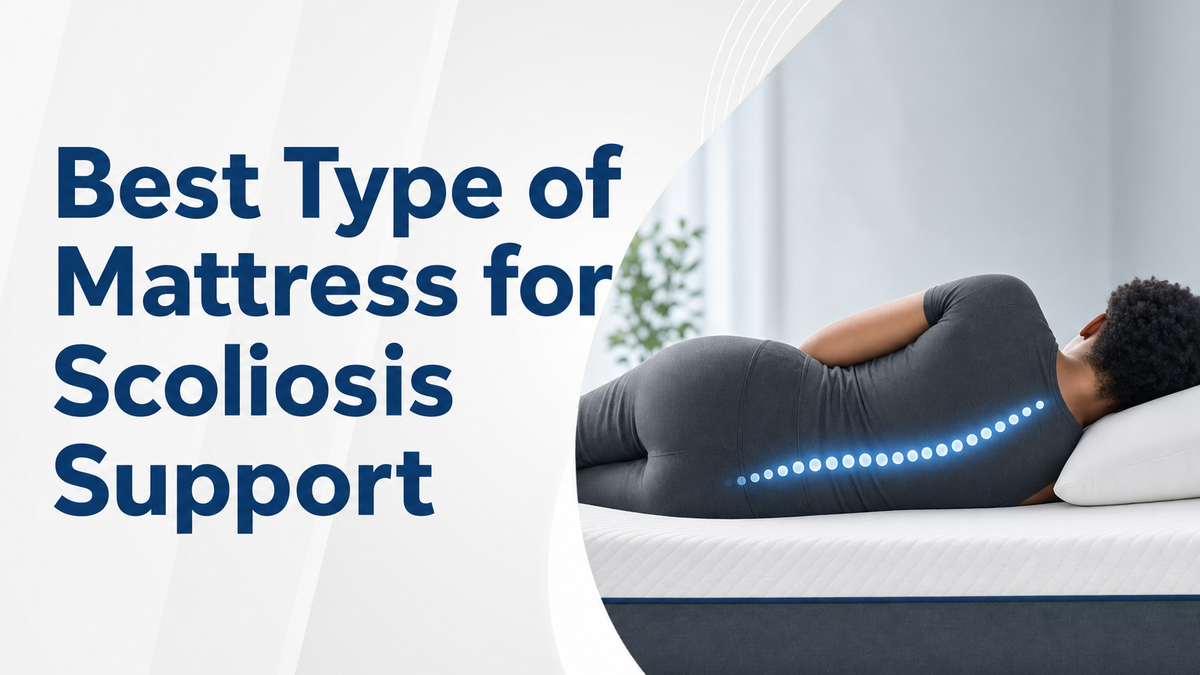
A firm, supportive mattress can help scoliosis patients sleep better by promoting spinal alignment, reducing discomfort, and supporting healing.
Kyphoscoliosis combines scoliosis and kyphosis, causing abnormal spinal curves that disrupt balance, flexibility, and function, often needing complex care.
Scoliosis varies in severity; mild cases rarely affect pregnancy. It doesn’t impact fertility or labor, but severe cases can increase back pain.
Weight training can benefit scoliosis by improving strength, stability, and pain, but proper form, guidance, and avoiding spinal compression are essential for safety.
Kyphosis is the thoracic spine’s natural curve, but when excessive (hyperkyphosis) it disrupts alignment. Chiropractic care and exercise can reduce pain.
Scoliosis can increase spinal rigidity over time, making treatment harder. A custom brace like ScoliBrace® helps guide the spine into better alignment.
Scoliosis is a 3D spinal condition that can cause uneven hips and pelvic rotation, leading to pelvic pain. Proactive treatment can help reduce symptoms.
A car accident can cause traumatic scoliosis by damaging the spine’s structure and stability, disrupting alignment and leading to an abnormal spinal curvature.
As scoliosis progresses, severe untreated cases can impact lungs, heart, and digestion. Early, customized treatment helps prevent organ involvement.