
Blogs
Scoliosis and Pelvic Pain: Causes and Relief Options
Scoliosis involves the development of an unnatural lateral spinal curve that rotates, making it a 3-dimensional spinal condition, but its effects aren’t limited to the spine. The hips and pelvis feel the effects of a misaligned spine through the development of uneven hips and pelvic rotation.
Scoliosis can cause pelvic pain due to postural changes causing uneven hips and pelvic obliquity, disruptions to pelvic floor function, sacroiliac joint function, and muscular imbalance. The best relief option for scoliosis pelvic pain is a proactive treatment plan.
Scoliosis can cause widespread pain as a misaligned spine can disrupt the body’s alignment from the head to the feet.
Scoliosis
Scoliosis is diagnosed through a physical examination and X-ray results. An X-ray is needed to confirm the size of the unnatural spinal curve and the presence of rotation.
Scoliosis can affect all ages but is most commonly diagnosed at the onset of puberty in females and a little later in males as adolescent idiopathic scoliosis.
Scoliosis causes the spine to curve unnaturally to the side, and the rotational component makes scoliosis a complex 3-dimensional condition.
Because it’s progressive, the nature of scoliosis is to get worse over time, and this involves the spine’s unnatural curve and rotation increasing, and the effects becoming more noticeable and disruptive.
The more scoliosis progresses, the more complex it is to treat as the spine’s rigidity increases, making it less responsive to treatment.
Scoliosis progression is triggered by growth, making adolescents the most vulnerable to rapid progression, and older adults are also vulnerable to increasing instability due to degenerative changes in the spine.
 Scoliosis can develop in any of the spine’s main sections, including the cervical spine, thoracic spine, and the lumbar spine, and when it comes to the hips and pelvis, an unnatural lumbar curve is the most closely associated with hip and pelvic pain.
Because scoliosis causes the spine to become misaligned and the spine is so essential to the torso’s structural stability, the hips and pelvis are commonly affected.
Scoliosis and Uneven Hips
As scoliosis develops and progresses, it introduces uneven forces to the spine, its surroundings, and the entire body.
In children, the earliest signs of scoliosis are often uneven shoulders and hips due to the uneven forces of scoliosis disrupting the body’s overall alignment and symmetry.
Additional signs to watch for include an uneven waist line, development of an arch in the rib cage, arm- and leg-length discrepancies, and a prominent lean to one side.
When mild, these postural changes can be subtle, but when severe, the body’s asymmetrical appearance is more overt, and the more posture is disrupted, the more difficult it is to maintain healthy movement patterns.
Scoliosis is also associated with changes to proprioception, balance, coordination, and gait.
As the spine’s unnatural curve and twist pulls on the pelvis, causing it to shift out of alignment, one hip will sit higher than the other.
Scoliosis and Pelvic Obliquity
 As the spine curves and twists unnaturally, it can cause the pelvis to become unnaturally tilted and rotate and pelvic pain can become an issue.
Back pain is a leading global disability, and scoliosis can cause localized back pain, nerve pain that radiates into the extremities, joint and muscle pain, and pelvic pain.
When the pelvis isn’t aligned, the unnatural tilt can cause uneven weight distribution, straining the ligaments and muscles that support the pelvis and lower body and causing pain.
Pelvic floor dysfunction is also common as the pelvic-floor muscles attach to the bones of the pelvis; when the pelvis is misaligned, the muscles can become tight, weak, and painful.
Pelvic pain can also develop due to sacroiliac joint dysfunction caused by uneven pressure on the joints.
Another common effect of scoliosis is muscular imbalance caused by the spine’s unnatural curve and twist pulling its surrounding muscles in different directions, and when scoliosis develops in the lumbar spine (lower back), due to proximity of the scoliosis to the pelvis, lower back and pelvic pain is common.
Scoliosis Treatment Options
Here at the Scoliosis Center of Utah, we approach pain from a causative standpoint. We want to determine its underlying cause for long-term sustainable results, versus prescribing pain medication for short-term relief.
When it comes to scoliosis pelvic pain, it’s the spine’s misalignment and instability that’s causing the unnatural shift in the position of the pelvis and the loss of support from strained and unbalanced surrounding muscles.
The best approach to long-term pain relief is customized treatment that works towards preventing further progression, increasing effects, and pain.
A proactive nonsurgical treatment plan is integrative, combining different types of treatment that work together to impact scoliosis on every level.
Integration
Treatment plans can involve a combination of Chiropractic BioPhysics®, customized scoliosis-specific exercise plans, and corrective 3-dimensional bracing; throughout treatment, the disciplines are apportioned accordingly based on how the spine is responding to treatment and/or growth.
CBP combines the potential of scoliosis-specific chiropractic care, including manual adjustments, traction, and decompression, with the rehabilitative power of corrective exercise plans customized around a patient’s specific posture, scoliosis, symptoms, and age.
CBP can work towards impacting the scoliosis on a structural level through improving the spine’s position and alignment, and scoliosis-specific corrective exercise targets the spine’s surrounding muscle balance and strength for more support and postural restoration.
The ScoliBrace® also targets the spine’s misalignment by pushing it into a straighter alignment and maintaining its position, and during wear, the connection between the brain and body positioning is being strengthened and retrained.
Although progressive, scoliosis can be highly treatable, and while no treatment outcome can be guaranteed, with early detection, intervention, and a proactive customized treatment plan, there are fewer limitations.
Conclusion
Scoliosis affects all ages and can cause postural changes, mobility changes, and disrupt nerve function.
Scoliosis pain can involve the back, supportive structures, muscles, nerves, extremities, and the pelvis.
The main effect of scoliosis in children is postural deviation caused by the unnatural curve and twist in the spine disrupting the body’s symmetry, and a misaligned spine can disrupt the entire body’s balance and stability.
The earliest signs of childhood scoliosis are often uneven shoulders and hips, and if the hips are uneven, the pelvis is also misaligned.
A misaligned pelvis can strain its surrounding and supportive muscles and ligaments, as well as the sacroiliac joint, causing dysfunction and pain.
Treatment that targets the spine’s alignment on a structural level and improves the strength and balance of the spine’s surrounding muscles can improve the spine’s stability and support, improving pain by reducing the condition’s uneven forces.
As a progressive condition, even patients initially diagnosed as mild and who don’t experience pain can become more severe over time, and increasing pain is a sign that progression is occurring and treatment is becoming more urgent.
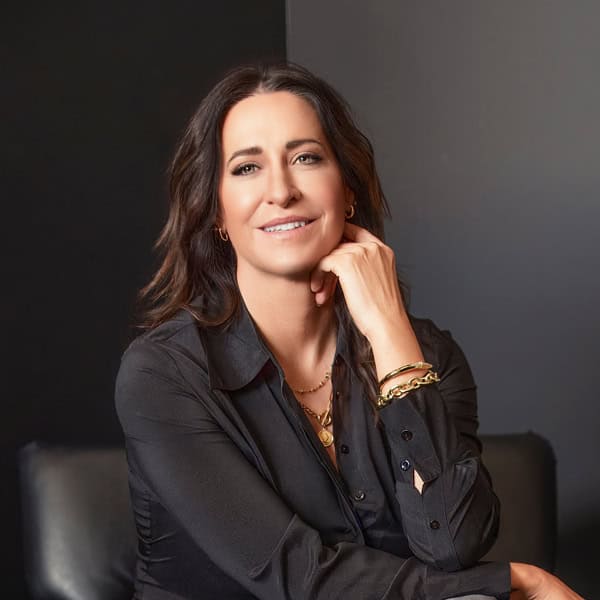
Dr. Katalina Dean
Dr. Katalina Dean is the founder and clinical director of Scoliosis Center of Utah, in Midvale, UT. Her team specializes in posture correction, spinal rehabilitation, and non-invasive scoliosis care and bracing.
Call Today
Do You Qualify for Care?
Schedule an Appointment Below