
Can Chiropractic Help Scoliosis? Key Benefits Explained
Dr. Katalina Dean2026-06-18T07:54:34-06:00After a scoliosis diagnosis, proactive scoliosis-specific care during growth is key. Chiropractic BioPhysics® treatment supports change.

After a scoliosis diagnosis, proactive scoliosis-specific care during growth is key. Chiropractic BioPhysics® treatment supports change.
Scoliosis stretches can ease pain, improve posture, and boost flexibility. While not corrective alone, scoliosis-specific stretching may support treatment.
Modern scoliosis bracing has evolved to 3D corrective care. When combined with early treatment, exercise rehab, and chiropractic care, cases are treatable.
Scoliosis needs medical assessment for diagnosis. Spotting early signs, like uneven shoulders in kids or pain in adults, supports effective treatment.
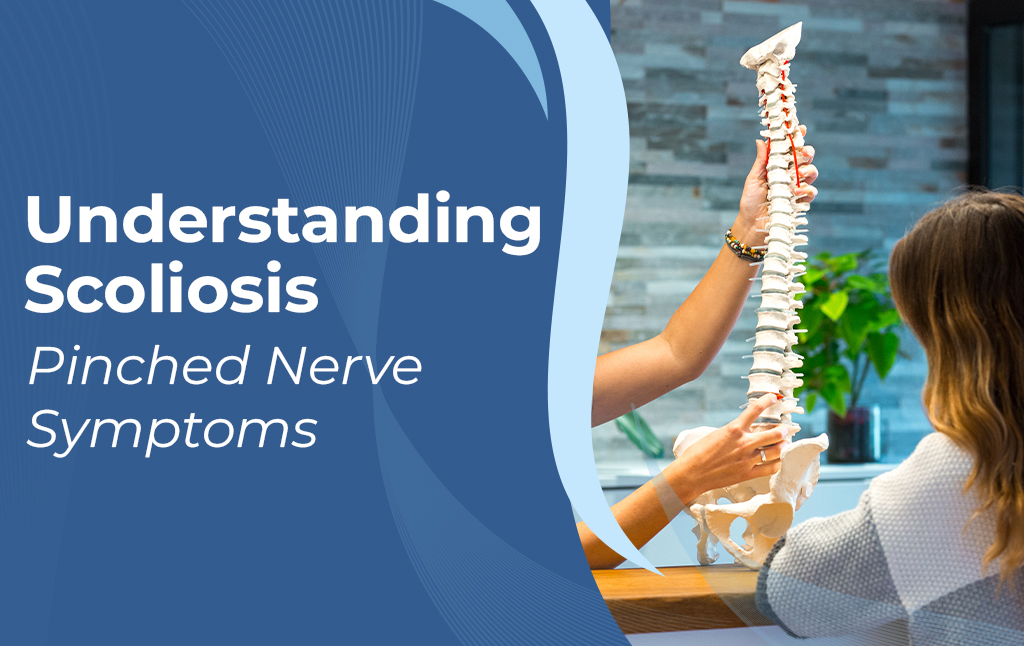
Scoliosis can compress or irritate spinal nerves, causing radiating pain. Knowing the symptoms and treating early helps prevent increasing spinal instability.
Scoliosis affects activity differently, so running safety varies. With provider guidance, proper form, and precautions, many run, while some should avoid it.
Nonsurgical scoliosis treatment combines chiropractic care, corrective bracing, and scoliosis-specific exercise for effective, long-term spinal correction.
Working out with scoliosis is safe and beneficial when guided by a specialist. Corrective, scoliosis-specific exercises improve strength and flexibility.
While spinal decompression can relieve pain, improve disc health, and boost flexibility, it isn’t a corrective treatment for scoliosis but may enhance results.
Scoliosis differs in type, severity, and rate of progression. Early, proactive treatment for mild cases offers the best chance for effective results.