Scoliosis Rib Hump: Symptoms, Causes & Treatment
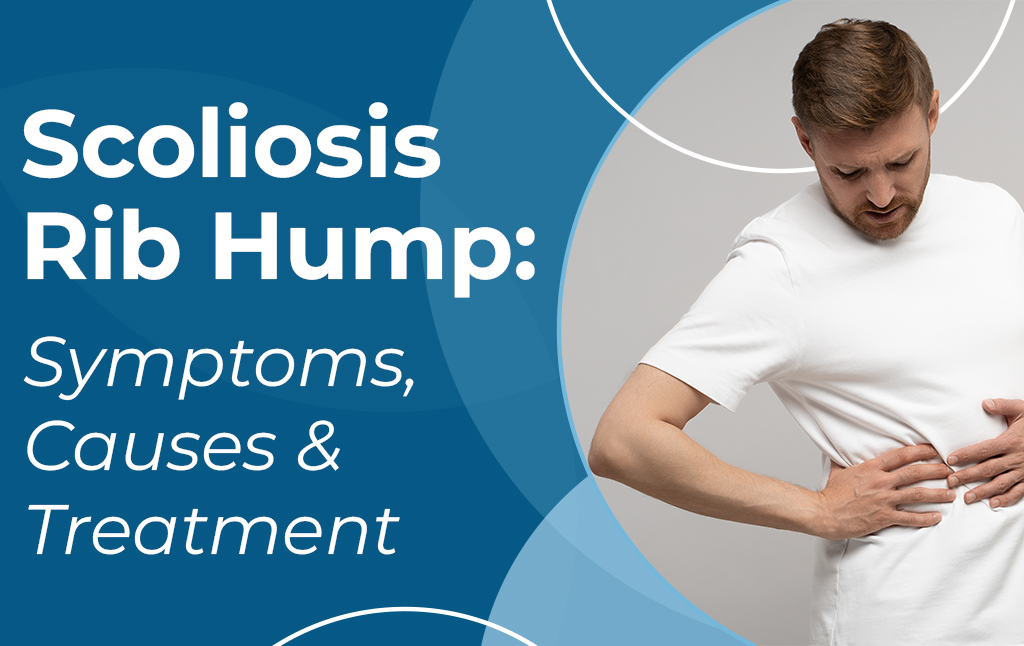
Dr. Katalina Dean2025-06-19T13:54:52-06:00A scoliosis rib hump is a common sign of thoracic scoliosis, causing one side of the rib cage to protrude due to the spine’s impact on body symmetry.

A scoliosis rib hump is a common sign of thoracic scoliosis, causing one side of the rib cage to protrude due to the spine’s impact on body symmetry.
Scoliosis disrupts spinal symmetry, often causing muscular imbalance—overused muscles on one side and weakened ones on the other—leading to strain and soreness.
Most cases of scoliosis are progressive and tend to worsen over time, making early detection and proactive treatment essential to managing the condition.
Adult scoliosis is often painful due to spinal compression. It may stem from untreated childhood scoliosis or age-related degeneration of the spine.
Patients should ask questions to better understand scoliosis and treatment options. Informed decisions lead to better outcomes and realistic expectations.
Scoliosis misaligns hips and pelvis, leading to uneven load, ligament laxity, and pain; relief comes from correcting the spine's alignment.
Scoliosis’s uneven forces can trigger knee, back, nerve, and joint pain; without treatment, these effects, especially knee pain, often worsen over time.
Scoliosis exercises can help, but avoid moves that strain the spine or overuse one side. Scoliosis-specific exercises offer safer, more effective support.
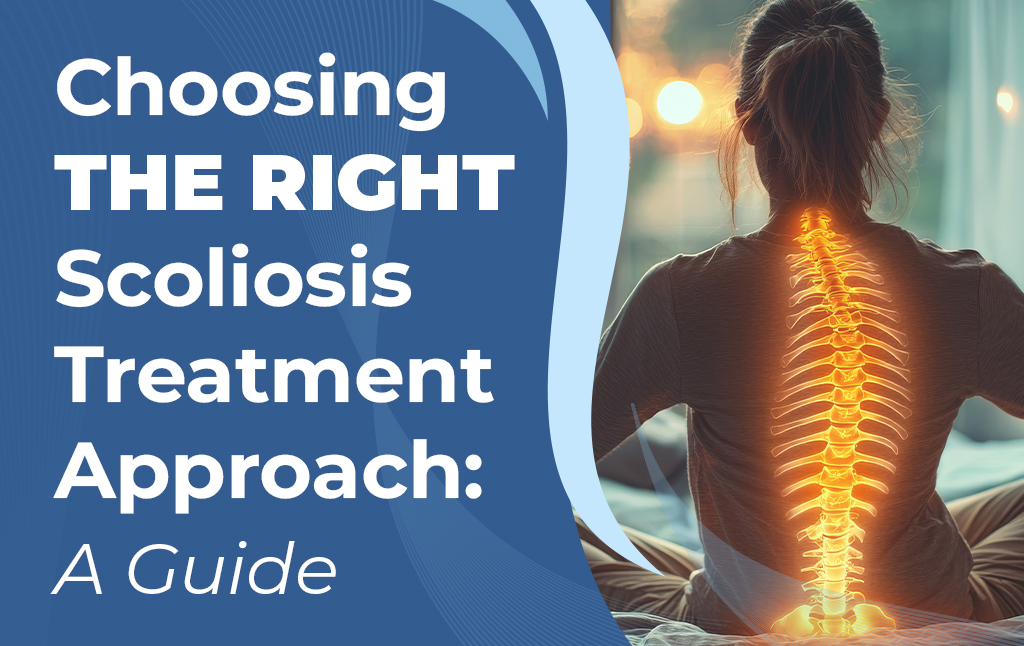
A scoliosis diagnosis can feel overwhelming, but being informed helps. Early, conservative treatment is key to avoiding risky spinal surgery later.
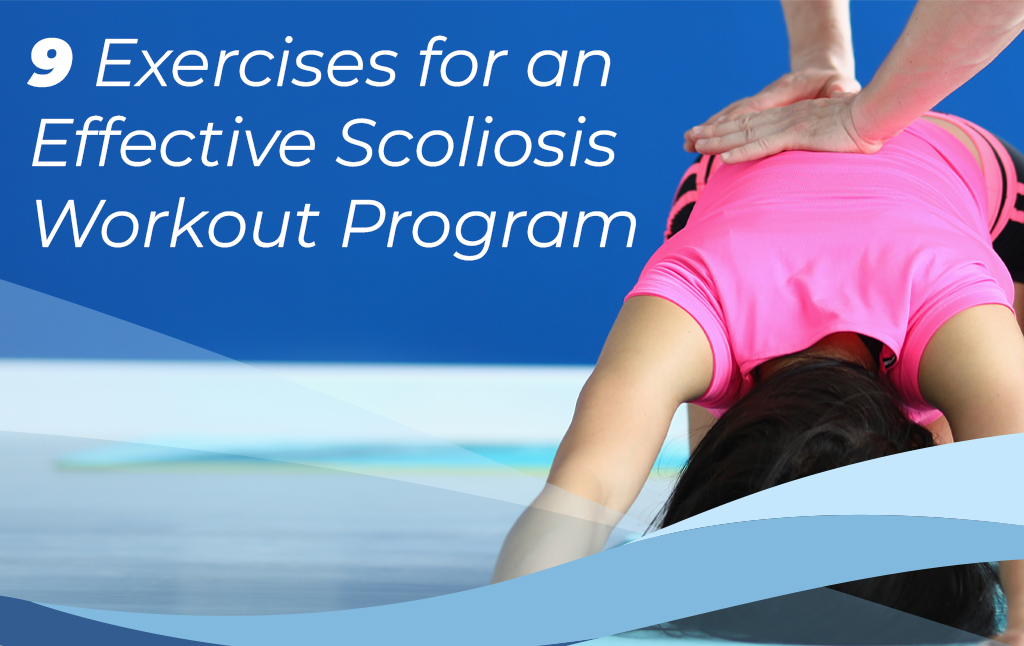
Scoliosis exercises must be specialist‑prescribed and tailored to each patient, complementing other treatments for optimal corrective benefit.