
Blogs
Scoliosis Pain, Lower Back Pain, And Relief Options

Not everyone experiences scoliosis pain, but for those who do, relief may be within reach through assessment and treatment when needed. Scoliosis pain involves structural changes to the spine causing uneven forces, uneven posture, and wear.
Scoliosis pain is more common for adults with scoliosis than children and can involve localized back pain, widespread nerve pain, muscle and joint pain. Factors that shape scoliosis pain include patient age, curve size, type, location, rotation, and rate of progression. Pain relief is supported with personalized care that works towards increasing the spine’s support, stability, balance, and improving body posture.
Scoliosis pain can be shaped by a number of factors, and understanding your curve is the first step to mitigating the potential effects of scoliosis progression and pain.
The Nature of Scoliosis Pain
The nature of scoliosis pain is complex. It can vary widely from patient to patient and be shaped by a number of variables, or how those variables combine. Each case is unique, but generally, adult scoliosis patients are more likely to experience back pain, and older adults with degenerative curves are the most likely to suffer from chronic lower back pain.
While children can experience back and muscle pain, it’s more closely associated with adult scoliosis and compression.
Scoliosis becomes compressive when growth stops. Growing spines are more flexible because they are lengthening and can counteract the curve’s compressive force. It’s not uncommon for childhood scoliosis to go undetected until after skeletal maturity is reached, when scoliosis pain signals the need for assessment.
Scoliosis is an asymmetrical condition that causes an unnatural lateral spinal curve that also rotates to develop, and while some curves may stabilize, most will progress if growth and/or changes to spinal health are occurring.
Progression and Pain
Progression makes scoliosis symptoms more noticeable for most patients, including pain, and because scoliosis introduces uneven forces to the spine, its surrounding muscles, supportive structures, and nerves, its main effects are asymmetrical.
Scoliosis pain is caused by the condition’s uneven forces and how they affect the body. In children, the main effects of scoliosis are visual. Uneven shoulders and hips are often the earliest telltale signs of scoliosis that are often discovered during a growth spurt. Changing balance, coordination, and gait are additional childhood scoliosis symptoms.
The main trigger for childhood curve progression is growth, and in adults, changing spinal health, bone health, negative lifestyle factors over time, postural collapse, and muscle weakness may all contribute and have a compounding effect on adult curve progression and pain.
Lower back pain is the main symptom of adult scoliosis that leads to assessment, diagnosis, and individualised care plans for relief.
Lower Back Pain
According to the World Health Organization, lower back pain is a leading cause of disability worldwide, and one that most people will experience at some point in life.
 The lumbar spine is vulnerable to strain and injury because of its load-bearing nature. It has to support the thoracic spine and the cervical spine above, the weight of the upper body, and its vertebrae feel the strain of bending, lifting, and twisting motions.
Lower back pain is most common in the aging population, 50+ years of age, risk increases with age, and it’s significantly more common in females.
Degenerative scoliosis is also common in adults over the age of 50, is more prevalent in females, and lower back pain is the main complaint of many adults with scoliosis.
Most degenerative curves are caused by degenerative instability in the spine and/or its surroundings, but the cumulative effect of negative lifestyle factors also contributes to a particular patient’s rate and level of age-related degenerative changes.
Because degenerative instability is usually the cause, most degenerative curves are progressive and painful, and an early sign to watch for is changing posture. A slouching posture with a prominent lean forward is common and causes uneven loading on the spine, which causes uneven wear and degeneration of its individual structures such as the spinal discs and facet joints.
Muscles can weaken with increasing age, and this can further contribute to degenerative curve onset or progression if the spine’s surrounding muscles aren’t supporting and stabilizing the spine.
An unbalanced spine, uneven posture, uneven loading, wear, and degeneration become a cycle in some patients that cause varying levels of lower back pain. Early detection is important so the cycle can be interrupted before it becomes established.
Nerve-Related Lower Back Pain
Lower back pain is also commonly related to nerve compression in adults with scoliosis. For example, a common complication of lumbar scoliosis is sciatic nerve pain that can develop if the sciatic nerve is exposed to uneven pressure where it exits the lumbar spine.
The sciatic nerve is the largest in the body and extends from the lower back and down the backside of the lower body into the feet. If the spine’s unnatural curve and twist is compressing the sciatic nerve, it can cause pain and discomfort in the lower back and throughout the lower body.
Back pain caused by nerve compression can be debilitating for some patients., and for relief, pressure on the sciatic nerve has to be relieved.
Scoliosis Back Pain Relief Options
While not all scoliosis patients experience pain, larger cures, highly-progressive curves, adult curves, and particularly degenerative curves are associated with lower back pain.
When it comes to long-term sustainable scoliosis back pain relief, we’re talking about treatment options. The longer scoliosis is left unaddressed, the more potential damage it can do.
Studies show adult degenerative curves can progress up to 4 or 5 degrees a year, putting older adults at increasing risk of injury from a fall.
Early signs of adult scoliosis to watch for include postural changes. Leaning too far to the side or too far forward can cause uneven weight distribution and strain the spine. A loss of standing/sitting height and interruptions to balance and more falls are also common signs. Lower back pain is often the first sign of adult scoliosis, and treatment starts with an accurate and timely assessment.
Assessing an adult’s curve starts with determining whether it’s a pre-existing childhood curve known as adolescent scoliosis in adulthood (ASA) or a new degenerative curve that develops later in life as degenerative de novo scoliosis (DDS).
Individualized Non-Operative Scoliosis Care
Here at the Scoliosis Center of Utah, we look to the source of scoliosis pain: the spine’s misalignment and loss of balance.
 Each scoliosis curve is unique, and treatment recommendations are based on the results of a comprehensive assessment that considers an adult patient’s level of disc and joint degeneration, spinal instability, curve size and flexibility, symptoms, and treatment goals.
Nonsurgical treatment options that support pain relief for some patients include scoliosis-specific rehabilitative exercise with personalized ScoliBalance® plans that target the spine’s surrounding muscles and use Mirror Image exercise to teach postural awareness.
ScoliBalance® therapy is part of the Center’s comprehensive approach that considers a patient’s posture and curve and customizes scoliosis-specific exercise to manage curve progression, increase the strength and balance of the spine’s surrounding muscles for more support, increase spinal flexibility, improve posture and body appearance.
Only 1 percent of the world’s chiropractors practice Chiropractic BioPhysics®, a highly-specialized branch of Chiropractic, and our chiropractors integrate it with specific targeted exercise to impact a patient’s posture and curve on multiple levels.
In appropriate cases, corrective bracing may also be recommended for short-term pain relief and improving stability.
Studies support that scoliosis pain is more related to a loss of the spine’s balance than curve size, so even incremental improvements to the spine’s balance, support, and stability can make marked improvement to lower back pain and quality of life for many patients.
Conclusion
Not all scoliosis patients struggle with pain, but for those who do, relief may be within reach. A timely assessment and personalized care recommendations can direct patients on how best to manage their symptoms for long-term relief.
Scoliosis lower back pain can come from muscle weakness and unbalance, postural decline, structural changes within the spine, disc and joint degeneration, and nerve compression.
Relief options can be found in addressing the underlying cause of lower back pain: the uneven forces introduced by the spine’s unnatural curve and twist.
Scoliosis-specific rehabilitative exercise, corrective bracing, and scoliosis-specific chiropractic care can be applied as distinct treatment modalities, or work together, in appropriate cases, to improve the spine and body’s position for sustainable lower back pain relief.
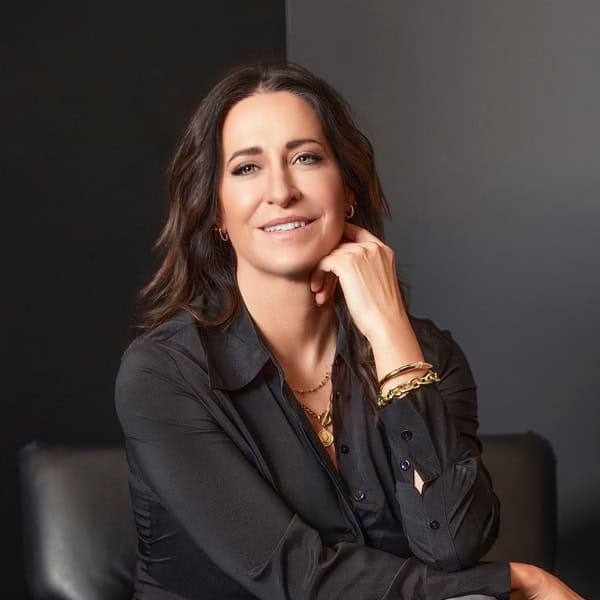
Dr. Katalina Dean
Dr. Katalina Dean is the founder and clinical director of Scoliosis Center of Utah, in Midvale, UT. Her team specializes in posture correction, spinal rehabilitation, and non-invasive scoliosis care and bracing.
Call Today
Do You Qualify for Care?
Schedule an Appointment Below