
Blogs
What Causes Adult Scoliosis? Key Facts Explained

Adult scoliosis is diagnosed in skeletally-mature patients who have an unnatural lateral spinal curvature of at least 10 degrees that also rotates. Due to the prevalence of adolescent idiopathic scoliosis, it’s commonly considered a childhood condition, but the rate of scoliosis is higher among older adults, largely due to spinal degeneration. Adult scoliosis can also present differently when it comes to progression and pain.
The two most common types of scoliosis to affect adults are idiopathic scoliosis and degenerative scoliosis. Idiopathic scoliosis has no known cause, and cases of idiopathic scoliosis in adults are often pre-existing from adolescence; conversely, degenerative scoliosis develops later in adulthood, with no prior history, and is caused by increasing instability in the spine.
Part of an adult patient’s initial assessment involves determining whether the scoliosis is pre-existing or new.
Assessing Adult Scoliosis
If an adult comes into the Scoliosis Center of Utah for a scoliosis-specific assessment, the patient’s family history, posture, strength, mobility, and spinal health are comprehensively evaluated.
 Treatment planning is shaped around important variables, including what caused the scoliosis.
In adults with a previous diagnosis of idiopathic scoliosis, the initial cause of its onset is unknown, but most of these cases involve adolescent scoliosis, known as adolescent scoliosis in adulthood (ASA), and when an adult develops scoliosis later in life, this is known as degenerative de novo scoliosis and is caused by declining spinal/bone health.
Whether scoliosis is pre-existing or new is important for treatment planning. We know that as a progressive condition, scoliosis can increase over time, and in children, it’s growth spurts that trigger rapid progression, so in ASA patients, progression can slow once growth stops, but may change with increasing age.
Idiopathic Scoliosis in Adults
Idiopathic scoliosis doesn’t have a clear cause. We know it most often develops at the onset of puberty, but what if an adolescent isn’t diagnosed and treated during adolescence?
Idiopathic scoliosis in adults is the most common type of adult scoliosis; its prevalence highlights the importance of early detection and intervention because as a progressive condition, it can become more severe over time, particularly if age-related changes to bone and spine health are occurring.
Because childhood scoliosis isn’t always painful and mild cases can cause subtle signs, this can be another barrier to early detection and contribute to the
If an adult patient comes into the Center with concerns about increasing symptoms and we know they have a previous diagnosis, comparing past X-ray images of the spine with current scans tells me how much the scoliosis has changed over the years, how fast, or slowly, it’s progressing, and if there is increasingly instability in the spine.
A complexity of scoliosis treatment is predicting a patient’s risk of curve progression so treatment can be planned, and when it comes to adult scoliosis, because growth is no longer occurring, idiopathic curve progression may slow once skeletal maturity is reached, but age-related spinal degeneration increases a patient’s risk of curve progression.
Degenerative Scoliosis
Although many cases of scoliosis are progressive, some are stable, and while there are a number of contributing factors that help us predict a patient’s likely rate of progression, it’s not always easy to tell which curves will become more severe and which will stay the same.
What we do know is the more severe the scoliosis, the larger the spine’s unnatural curve and rotation, and the more likely continued progression is due to overall changes to the spine’s health, alignment, balance, and stability.
 Degenerative scoliosis develops later in adulthood, often after 45 years of age, and is caused by increasing instability in the spine. Menopausal females can be particularly vulnerable due to changing bone health and hormone levels.
A scoliosis curve isn’t just one thing; it can be driven by a number of variables including structural changes, postural issues, lack of support from weak/unbalanced muscles, changing bone health, facet joint and disc degeneration.
A lot of spinal degeneration starts with the intervertebral discs that sit between vertebral bodies (bones of the spine. Disc health affects spinal health in a number of ways because the discs provide cushioning between adjacent vertebrae, preventing harmful friction during movement, structural support by acting as attachment points for vertebrae, flexibility, and shock absorption.
And the cumulative effect of lifestyle factors such as carrying excess weight, chronic poor posture, and low activity can also shape an adult’s disc- and spinal-health over time.
Recognizing the early signs of scoliosis and/or increasing symptoms can signal the need for a timely scoliosis-specific assessment.
So let’s talk about the types of adult scoliosis symptoms to be on the watch for, and why pain is more common in adults.
Adult Scoliosis Symptoms
Early detection can improve treatment outcomes, but many patients aren’t diagnosed immediately after scoliosis onset, but more so when symptoms become noticeable enough, and/or when curve progression is happening.
The earliest signs of scoliosis in children involve postural changes. Uneven hips, shoulders, and rib flaring (arch in the rib cage) are common. If the early signs of adolescent scoliosis are subtle and undetected, however, it may progress into adulthood, and an opportunity has been missed: early diagnosis and intervention while growth is occurring that makes the spine more flexible and responsive.
There are some key factors that differentiate childhood from adult scoliosis. We’ve discussed the connection between growth and progression, but adult scoliosis can also present differently when it comes to pain. Pain isn’t considered a primary symptom of childhood scoliosis, but it is closely associated with adult scoliosis.
When children are still growing, their spines are constantly being lengthened, and this can counteract the compression (uneven and/or excessive pressure) caused by scoliosis.
Because scoliosis becomes compressive when growth stops, pain can be a primary symptom of adult scoliosis, and it’s often increasing pain that leads to a late diagnosis of ASA. Adults can also experience postural changes, such as a leading too far to the side or forward, but localized back pain and/or radiating pain in the extremities, due to nerve compression, can be more noticeable.
Because degenerative scoliosis involves increasing instability, progression and lower back pain are common, and because declining spinal health can initiate a damaging cycle of poor posture, asymmetric loading, and uneven wear (discs and facet joints), and diagnosing and treating degenerative scoliosis early may prevent the cycle becoming established.
So if you have noticed postural changes, back pain, and/or radiating nerve pain, and a loss of balance and stability, this may indicate the need for scoliosis assessment to determine the best treatment options.
Conclusion
Adult scoliosis can be idiopathic, with no known cause, and in many cases, is pre-existing from adolescence, and degenerative scoliosis is caused by the spine becoming increasingly unstable due to degenerative changes.
While each case is unique, the goal of adult scoliosis treatment is to improve the spine’s balance and stability for fall prevention, relieve pain, improve muscle health and support, mobility, and quality of life.
Adult scoliosis treatment options include nonsurgical treatment that’s customized and may involve scoliosis-specific rehabilitative exercise, corrective bracing, and Chiropractic BioPhysics®, or surgical treatment options.
A timely scoliosis assessment can help adult patients understand their condition, how much it’s changed over the years, and decide what treatment offers the best potential outcome.
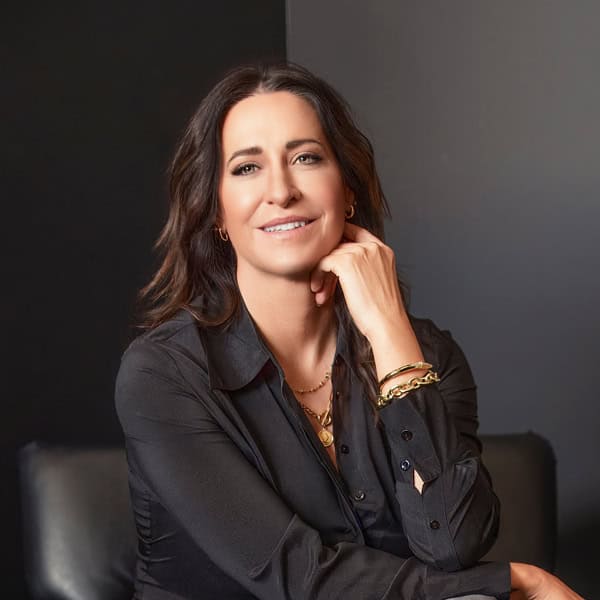
Dr. Katalina Dean
Dr. Katalina Dean is the founder and clinical director of Scoliosis Center of Utah, in Midvale, UT. Her team specializes in posture correction, spinal rehabilitation, and non-invasive scoliosis care and bracing.
Call Today
Do You Qualify for Care?
Schedule an Appointment Below