
Blogs
Can Chiropractors Treat Kyphosis? What to Know

Kyphosis refers to the thoracic spine’s curve type that bends outward in a standard ‘C’ shape. There is a healthy range of kyphosis, but if a person’s kyphosis becomes excessive, the curve is over-pronounced and can become problematic: hyperkyphosis.
Chiropractic care is a common first line of treatment for back pain and a number of spinal conditions, including kyphosis. Manual chiropractic adjustments can increase the spine’s flexibility, improve the spine’s alignment, and reduce pain. Hyperkyphosis treatment requires a combination of chiropractic and kyphosis-specific rehabilitative exercise.
The spine’s healthy curves facilitate spinal alignment, flexibility, and strength, and if a healthy curve increases in size and becomes problematic, it can disrupt the entire spine’s balance and stability.
What is Kyphosis?
The spine is curved at each of its main sections, and these curves work together to make the spine stronger, more flexible, and help with shock absorption.
Each spinal section has a specific curve type; the cervical and lumbar spinal sections are characterized by lordosis. Lordosis causes the spine to curve inward, while kyphosis characterizes the thoracic spine with an outward spinal curvature.
There are healthy degrees of lordosis and kyphosis, but if a spinal curve becomes over-pronounced and excessive, the curve is unhealthy and problematic.
 Also known as hyperkyphosis, when kyphosis increases and becomes excessive, the spinal section’s ability to function optimally is disrupted, and as a single structure with different sections, the health of each individual spinal section can affect overall spinal health.
Symptoms of Hyperkyphosis
When the thoracic spine (middle/upper back) curves outward excessively, it causes a visible arch in the upper back with the shoulders excessively rounded forward.
As the upper back and shoulders round forward excessively, the upper body’s weight isn’t evenly distributed over the pelvis and lower body, and as the spine and torso aren’t being held in a straight and upright position, this can cause uneven wear and tear on the spine, spinal rigidity, fatigue, mobility changes, and pain.
The postural shift that occurs as the upper body slumps over extends to the neck as forward head posture can become an issue. If the neck shifts forward in posture, the weight of the head on the cervical spine increases exponentially, introducing more strain to the neck and upper back.
Kyphosis Pain
Kyphosis pain can involve localized back pain, muscle pain, and pain that radiates into the extremities due to nerve compression. An unhealthy spinal curve can affect the spine and its supportive structures, including muscles, ligaments, and connective tissues.
Spinal manipulation and the combination of kyphosis-specific rehabilitative exercise plans work towards improving the spine’s position through strengthening exercises that target the spine’s supportive muscles.
A strong core supports healthy posture and movement patterns.  A treatment plan that combines the potential of kyphosis-specific chiropractic care with customized therapeutic exercise works towards corrective results and may provide significant relief from pain and poor posture.
Back pain is common as the kyphosis causes increasing spinal rigidity, and as some types of kyphosis are structural and progressive, symptoms can increase over time.
Potential Kyphosis Complications
Kyphosis that’s left untreated can become worse over time. Postural changes can become more overt, pain in the upper and lower back can increase, and as the uneven forces being exposed to the spine and its surrounding muscles and supportive structures increase, the risk of complications increases.
Severe cases of hyperkyphosis can include impaired lung function caused by airway and/or lung compression, and severe nerve compression can cause tingling, numbness, and/or weakness in the legs.
The spinal cord contains nerves that work with the brain to form the central nervous system, so if the thoracic spine develops too much kyphosis and exposes the spinal cord to uneven pressure, the effects of nerve compression can be widespread.
Digestive issues can also develop in severe kyphosis cases that compress digestive organs, cause acid reflux, a loss of space inside the torso, and disrupt nerve health.
The best way to prevent potential complications of severe kyphosis is to customize a proactive treatment plan around its underlying cause.
Types of Kyphosis and Chiropractic Care
The type of kyphosis is determined by cause; chronic poor posture can cause postural kyphosis, and structural kyphosis is caused by structural abnormalities within the bones of the spine (vertebrae).
Unhealthy spinal curves caused by poor posture are simpler to treat because changes to body position can improve the curve, whereas structural curves are rigid and require a comprehensive and customized treatment plan.
Postural Kyphosis
The most common type of kyphosis is postural, and these cases are the simplest to treat because they are caused by chronic poor posture.
In many cases of postural kyphosis, chiropractic spinal adjustments aren’t necessary, and the focus of treatment is on improving posture, muscle strength and balance through kyphosis-specific physical therapy.
In postural kyphosis, straightening the body can straighten the spine, so changes in position can impact a flexible nonstructural kyphotic curve.
Posture and spinal health are closely linked; over time, how we hold our spine and bodies during movement and rest can contribute to stretched and weakened muscles and ligaments that are needed to support the spine, and a lack of support can disrupt the spine’s ability to maintain its balance and alignment.
Poor posture doesn’t support healthy movement patterns, so this can further contribute to increasing instability over time.
Scheuermann’s Kyphosis
Scheuermann’s kyphosis is structural, develops during growth, and is more complex to treat than nonstructural cases.
Scheuermann’s kyphosis occurs during periods of rapid growth, which is why it mainly affects adolescents.
As a growth spurt occurs, certain vertebral bodies are growing irregularly, becoming malformed. Vertebrae can be more triangular in shape, and a healthy aligned spine is maintained through typical rectangular-shaped vertebrae that can remain easily stacked on top of one another to maintain a straight and neutral alignment.
A misaligned spine is not balanced and is unstable as a result, and as growth occurs, kyphosis can progress, causing a rigid and inflexible curve that necessitates a comprehensive treatment plan.
In cases of Scheuermann’s kyphosis, a multimodal treatment approach includes the use of chiropractic adjustments and techniques to impact the condition’s structural nature and kyphosis-specific exercise to improve the spine’s surrounding muscle strength for more support and stability.
Age-Related Hyperkyphosis
Age-related hyperkyphosis affects older adults over 45 years of age.
As we age, the body is less able to resist the downward pull of gravity, and as muscles and ligaments become weaker, they provide less support for the spine and its healthy curves and alignment.
Age-related hyperkyphosis is more common in females, progresses faster, and affects up to 40 percent of older females: due to changes in bone density (osteoporosis) and hormone levels associated with menopause.
If hyperkyphosis develops in an older adult, the compressive force of the hyperkyphosis can lead to the front of a vertebra collapsing (compression fracture) and becoming more wedge-shaped, and this causes increasing instability in the spine that puts older adults at risk of injury through a fall.
Older adults are experiencing degenerative changes in the spine, often involving degenerative disc disease, and this puts them at risk for a number of spinal injuries and conditions.
Fall prevention through improving the spine’s balance, stability, and support is always a focus of age-related hyperkyphosis treatment, and gentle chiropractic treatment, therapeutic exercises, and bracing are common treatment options.
Kyphosis and Chiropractic BioPhysics®
When it comes to typical cases of structural kyphosis including Scheuermann’s kyphosis and age-related kyphosis, corrective exercise and chiropractic treatment may be able to restore normal spinal motion and a healthy degree of kyphosis in the thoracic spine.
Through spinal manipulation and the combination of rehabilitative exercise, the spine’s position and alignment may be improved, while stronger balanced back muscles provide more support and stability for the spine.
The Scoliosis Center of Utah can offer what only 1 percent of the world’s chiropractors can: the application of Chiropractic BioPhysics® (CBP).
CBP is part of a multimodal approach that involves the prescription of corrective Mirror Image exercises and traction, in addition to specific spinal manipulation.
Customized Mirror Image exercises are designed to address the specifics of a patient’s posture and degree of kyphosis, and as patients are taught how to hold their spines during movement, this postural awareness is integrated into daily activities and life for long-term improvement to spinal health and sustainable treatment results.
Poor posture and spinal misalignment can cause chronic pain, and Chiropractic BioPhysics® seeks to identify the underlying cause of back pain through long-term improvements to spinal health.
Conclusion
Patients who develop kyphosis have an excessive forward spinal curvature in their upper back; common symptoms include a visible slouching appearance with rounded-forward shoulders, pain, and changes to mobility.
In severe cases that are left untreated, respiratory function can be impacted along with the development of digestive issues, and as many cases progress with growth, a proactive treatment approach is necessary, particularly in adolescents experiencing rapid growth spurts.
While chiropractic adjustments alone are limited in their corrective potential, when Chiropractic BioPhysics® includes the integration of specific targeted spinal adjustments and kyphosis-specific corrective exercise plans, there is more potential for a successful treatment outcome.
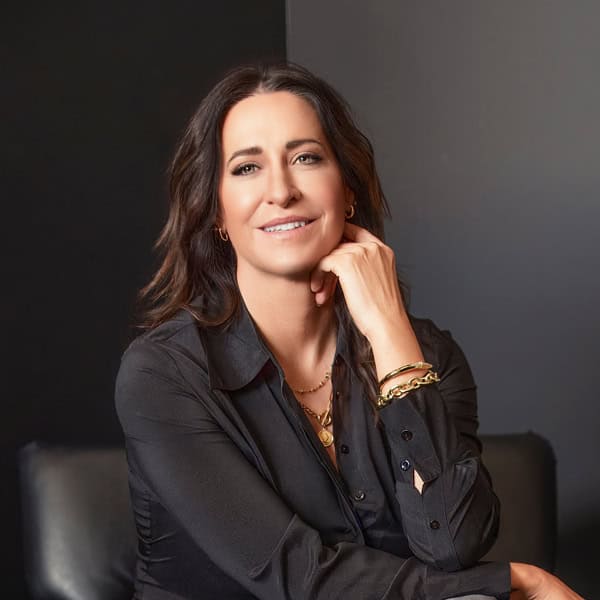
Dr. Katalina Dean
Dr. Katalina Dean is the founder and clinical director of Scoliosis Center of Utah, in Midvale, UT. Her team specializes in posture correction, spinal rehabilitation, and non-invasive scoliosis care and bracing.
Call Today
Do You Qualify for Care?
Schedule an Appointment Below