
Blogs
Questions To Ask Before Scoliosis Surgery Or Spinal Fusion
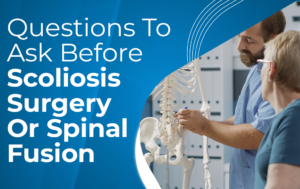
Some scoliosis patients are highly responsive to nonsurgical scoliosis treatment, particularly with early curve detection and intervention, but some severe curves may require surgical intervention. Scoliosis surgery is most often recommended for adolescents with severe and/or highly progressive curves.
After a patient’s spine is thoroughly assessed, curve size, flexibility, location, type, and progression risk are discussed. These variables direct treatment recommendations, so if they aren’t clear, further clarification is needed. Patients and families should feel comfortable asking questions about a treatment provider’s approach, recommendations, and if surgical treatment is the best option.
There are a lot of variables that shape a patient’s scoliosis-experience, including whether a surgical or nonsurgical treatment approach is recommended.
Understanding Scoliosis
Scoliosis is a complex spinal condition that may require a comprehensive treatment plan in some cases. Ranging widely from mild to severe, scoliosis causes the spine to curve unnaturally to the side, and curve severity at the time of diagnosis can be an important factor in treatment planning.
The goal is always early identification of a scoliosis curve because although some scoliosis curves don’t progress, if growth and/or changing spinal health is occurring, the nature of most curves is to increase.
A scoliosis curve introduces a point of imbalance to the spine, and the larger the curve, the larger the imbalance, and the more likely it is that the imbalance will continue to increase over time.
The most common type of scoliosis is adolescent idiopathic scoliosis that appears during early adolescence in most cases and tends to be more severe in girls.
Understanding the progressive nature of scoliosis is key because how progression is managed can affect spinal growth, function, and long-term health. The main trigger for curve progression in children is growth, and the main cause of adult scoliosis progression is degenerative instability.
Partially because skeletal maturity hasn’t been reached, there is usually more corrective potential in flexible childhood curves than the rigid curves of adult scoliosis.
Spinal fusion is the most common type of scoliosis surgery, and it’s most often recommended for severe or highly progressive cases of adolescent idiopathic scoliosis. Many adolescent curves are predicted to progress quickly due to the fast nature of growth spurts during puberty.
Choosing a Treatment Provider and Approach
Particularly for parents of children recently diagnosed with progressive scoliosis, this can be an overwhelming time with a lot of information to process, but it’s also when some important decisions may need to be made.
When curves are assessed as progressive, in many cases, starting treatment sooner means when curves are smaller and more likely to respond well.
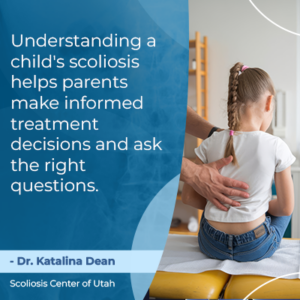
Parents who fully understand their child’s curve and situation can make informed treatment choices and know the right questions to ask, including what type of approach a treatment provider specializes in.
What Type of Treatment is Your Speciality?
I encourage the Center’s patients to ask questions, and the reality is that surgical treatment isn’t the only scoliosis treatment option, but patients can be funneled in a certain direction based on their treatment provider’s approach.
If a patient is referred to an orthopedic surgeon, their focus is a surgical approach, but that doesn’t always mean it’s the best or only option. There are also conservative treatment providers and scoliosis-specific chiropractors that focus on less-invasive conservative options as the first line of treatment.
Conservative treatment modalities may include corrective bracing and scoliosis-specific exercise, and studies do support the efficacy of scoliosis-specific bracing and exercise when combined.
So it’s important to know if a patient’s treatment provider specializes in surgical or nonsurgical scoliosis treatment, and I encourage patients and families to research both treatment approaches and decide which one most aligns with their situation and treatment goals.
Is There Time to Try Conservative Treatment Before Considering Surgery?
For some patients, scoliosis treatment can be time-sensitive. When rapid growth is happening, the risk of curves increasing quickly is higher, but if a curve is diagnosed early, managing progression during growth may support curve correction and postural restoration.
While growth is a primary driver of progression, it also allows for curve flexibility, and when the timing of treatment is right, supports curve correction as a certain degree of flexibility is needed to improve the spine’s position.
There are a number of potential gains for patients diagnosed early and have the opportunity to treat curves proactively, one of which is having more time to discuss and explore different treatment options.
Surgical intervention may be necessary for some patients with highly progressive severe curves, a lot of remaining growth, and/or older patients experiencing declining bone/spinal health, in cases involving neurological symptoms, or when conservative treatment has been unsuccessful at managing progression.
If the timing of a patient’s diagnosis and their curve assessment supports early intervention with nonsurgical treatment, it may help some patients avoid the need for invasive spinal surgery.
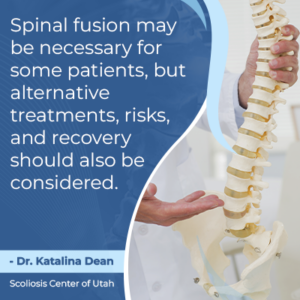
Spinal fusion surgery may be necessary for some patients, but there is more than one way to correct a curve, and potential side effects, complications, and the recovery process following spine fusion should also be considered.
What Are the Risks and Potential Complications of Spinal Fusion Surgery?
Most scoliosis surgery involves a type of spinal fusion where the vertebrae at the peak of the curve are fused together as one solid bone. Metal rods are usually attached to the spine with pedicle screws to maintain the spine’s position.
Hardware attached to the spine is permanent, and while hardware malfunctions are rare, rods can crack or break, and screws can come loose, and adverse reactions to hardware may also occur in some patients.
Potential complications of the procedure itself involve excessive blood loss, infection, nerves damage, and while spinal fusion may successfully stop progression, the spine’s long-term strength and flexibility may be disrupted, and some patients find an increase in back pain at the fusion site disruptive to overall quality of life.
The main reason many people opt for surgical treatment is cosmetic, but spinal fusion surgery focuses on the spine alone, and remaining postural effects, particularly uneven hips, also disappoint some patients who expect their bodies to be the same as they were before their diagnosis.
When it comes to correcting a scoliosis curve and improving the uneven posture it can cause, conservative treatment offers a more whole-body approach that works towards improving the spine’s position and body posture and appearance.
What is the Recovery Process After Scoliosis Surgery Like?
Patients considering spinal fusion surgery should understand the process from start to finish, including the recovery process after the procedure.
How patients respond to surgery depends on a number of variables including the severity of their curve, its location, how many vertebrae are fused, and how the surgery goes. If there are any complications during the procedure, recovery periods may increase.
A typical scenario for an adolescent with no complications is to spend the immediate days following the procedure in the hospital being monitored for signs of infection, wound care, and having lines removed once patients are taking oral medication for pain management, are eating, sitting up, and moving around with assistance.
Most young patients will continue their recovery from home within a week of the procedure with activity restrictions such as no lifting, twisting, bending, and riding in cars should be limited.
Most children can return to school within 3 or 4 weeks with some accommodations, but the full fusion may take up to a year to fully stabilize, and collision sports may not be safe until a year or more following the procedure, and in some cases, may need to be permanently avoided, especially for patients who have lost a lot of spinal flexibility and have a noticeably reduced range of motion.
For young patients who want to prioritize their long-term spinal flexibility and range of motion, spinal fusion surgery doesn’t always support that, and patients and families need to be fully aware of all potential outcomes.
Conclusion
Scoliosis patients need to be comprehensively assessed so the many factors that can contribute to scoliosis onset and/or progression are fully understood. Patients who fully understand their curve are more likely to make informed treatment choices and comply with treatment recommendations.
Because scoliosis curves differ in terms of severity, location, pattern, type, and progression risk, treatment recommendations are tailored to the individual patient, but it’s also up to patients and their families to make sure all treatment options are presented, discussed, and fully understood.
Spinal fusion surgery is most often recommended for adolescents with severe progressive curves, and because they are still growing and their spines are still flexible, there may be more potential to correct the curve when it’s managed proactively during growth, but nonsurgical scoliosis treatment also supports curve correction.
Conservative treatment options may include corrective bracing, scoliosis-specific exercise, and scoliosis-specific chiropractic care that work together towards the common goal of improving the spine’s balance, alignment, body posture and appearance.
Asking questions about treatment recommendations is expected, and when it comes to spinal surgery for children, because the spine’s long-term strength, function, and flexibility may be impacted, advocating for a child means knowing all the potential outcomes and effects.
Dr. Katalina Dean
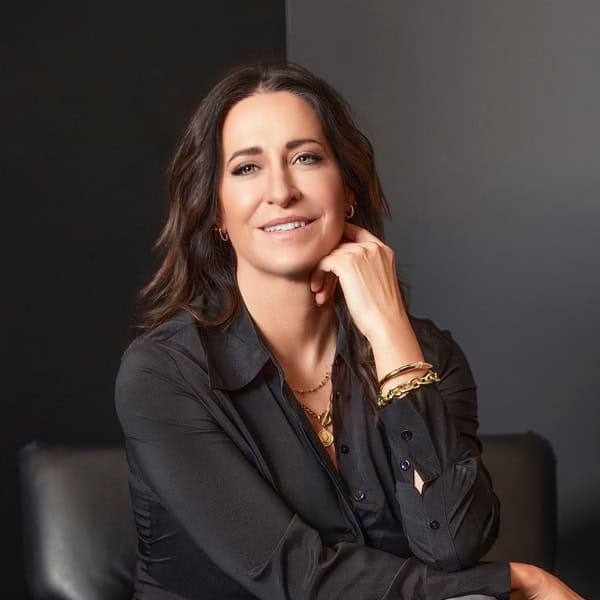
Dr. Katalina Dean is the founder and clinical director of Scoliosis Center of Utah, in Midvale, UT. Her team specializes in posture correction, spinal rehabilitation, and non-invasive scoliosis care and bracing.
Call Today
Do You Qualify for Care?
Schedule an Appointment Below