
Blogs
Scoliosis and Digestive Issues: What You Should Know
Scoliosis causes the spine to bend and twist unnaturally, and its primary symptoms include asymmetrical posture and pain. Scoliosis has the potential to impact multiple systems at work within the body, including the central nervous system and the digestive system.
While digestive issues aren’t considered a primary scoliosis symptom, they are associated with severe and/or untreated scoliosis. Scoliosis digestive issues can be caused by disruptions to nerve function, organ compression, spinal rigidity, and a loss of torso length.
Scoliosis symptoms can vary widely and are shaped by a number of factors, one of which is severity.
Scoliosis Severity
Scoliosis is a highly-variable condition with different types and severity levels.
Type is determined by cause, and approximately 80 percent of known cases involve idiopathic scoliosis: meaning no single-known cause, and the remaining cases are associated with known causes: neuromuscular scoliosis and degenerative scoliosis.
Scoliosis ranges from mild to moderate, severe and very severe scoliosis, and severity is determined by a measurement known as Cobb angle.
A patient’s Cobb angle needs to be determined to diagnose and treat scoliosis effectively; a minimum Cobb angle of 10 degrees is needed, and the spine’s unnatural lateral spinal curve has to include rotation to be diagnosed as scoliosis.
The higher a patient’s Cobb angle, the more severe the scoliosis, and the more noticeable its effects are likely to be.
Scoliosis affects all ages, and the most common symptom of childhood scoliosis is postural deviation, and the main symptom of adult scoliosis is pain.
As a progressive spinal condition, the nature of scoliosis is to become more severe over time, which is why untreated scoliosis can lead to a number of complications, and the best way to prevent increasing symptoms, such as digestive issues, from developing is a proactive treatment plan.
Scoliosis and the Digestive System
A proactive nonsurgical treatment works towards preventing progression, increasing symptom severity, and the need for surgical treatment.
Scoliosis largely affects the spine and its surrounding muscles and nerves, but when severe, it can affect the digestive system in a number of ways.
Nerve Function
The brain and spine work together and form the central nervous system (CNS): the body’s communication network that enables brain-body communication.
As the central nervous system is involved in the function of virtually every body part and system, disruptions to its health and function can cause widespread effects.
If the spine is misaligned due to the unnatural spinal curve, it can expose the spinal cord, with its 31 pairs of spinal nerves, to uneven pressure, and disrupt their ability to send signals throughout the body.
The spinal nerves control a number of digestive organs, and the location of the spine’s unnatural curve is an important factor when it comes to effects and which areas of the digestive system are likely to be affected.
The nerves of the thoracic spine (middle/upper back) affect the liver, stomach, gallbladder, and pancreas.
The lumbar spine contains nerves that control the colon and large intestine, and the sacral spine controls the lower rectum, colon, and anus.
 If a nerve involved in digestion is compressed in the spinal cord, or where it exits the spine and branches off to different areas and parts of the digestive system, digestion can slow down, acid reflux can develop, along with constipation and a number of other symptoms.
Organ Compression
Once skeletal maturity has been reached, scoliosis becomes a compressive condition.
Compression is uneven and excessive pressure, and if there is an unnatural bend and twist in the spine, it doesn’t just expose the spine and surrounding muscles and nerves to compressive forces, but also organs in the area.
If the stomach and intestines are compressed due to a severe curve, there is less space for them to function within, and it’s common that digestion slows down.
Spinal Rigidity
Progression means the size and rotation of the unnatural curve is increasing, making its symptoms more noticeable, the condition more severe, and the spine increasingly rigid.
Increasing spinal rigidity occurs alongside compression, and the more rigid a spine is, the harder it’s going to be to alter the spine’s position and alignment.
Another benefit of preventing progression with proactive treatment is starting treatment while curves are smaller so they stay that way, and when the spine is at its most responsive.
If the spine is excessively rigid, associated with severe cases and/or scoliosis that’s been left untreated, the rigidity can transfer to nearby organs involved in bowel function, slowing down digestion and causing constipation.
Loss of Torso Length
As scoliosis progresses, the torso can lose length because of the increasing unnatural spinal curve, and this can contribute to organ compression and disrupt the natural movement of food through the digestive tract.
If the digestive system isn’t functioning properly, it can cause a number of symptoms including heartburn, acid reflux, irritable bowel syndrome, stomach pain, painful stomach bloating, fewer bowel movements, and issues with nutrient absorption.
Addressing Scoliosis Digestive Problems with Treatment
The best way to address scoliosis digestive problems is to prevent their development.  As digestive problems are more closely associated with severe cases, starting treatment early in the condition’s progressive line can mean reducing curves to counteract progression and prevent digestive system issues.
Adolescent idiopathic scoliosis is the most prevalent type of scoliosis, and this age group is also the most likely to experience rapid advancement because of rapid growth spurts.
How childhood scoliosis is managed during periods of rapid growth is key, and once growth stops, scoliosis becomes compressive and more likely to cause digestive issues.
Here at the Scoliosis Center of Utah, treatment is customized, nonsurgical, and proactive.
Treatment plans are shaped by a comprehensive initial assessment that includes scoliosis severity; the goal of treatment is to prevent scoliosis from becoming more severe and to reduce curve size and rotation on a structural level.
Nonsurgical treatment is integrative, addressing the complex needs of scoliosis by combining multiple types of treatment so conditions are impacted on multiple levels.
On a structural level, Chiropractic BioPhysics® can include manual adjustments that can work towards realigning the spine, and when combined with a scoliosis-specific exercise rehabilitation program and corrective bracing, there are fewer limits to what conservative treatment can achieve.
Conclusion
What you need to know about scoliosis and digestive problems is that many are preventable.
Although scoliosis is progressive and treatment needs are ongoing, scoliosis can be highly treatable, and while there are never treatment guarantees, early detection and intervention is directly linked with treatment success.
Even scoliosis diagnosed as mild can progress and become moderate, severe, or very severe, so the best time to start treatment is always now.
Restoring as much of the spine’s healthy curves as possible can improve a number of symptoms including postural and mobility changes, pain, and digestive issues.
Scoliosis can impact digestive system health through disruptions to nerve function, organ compression, increasing spinal rigidity causing organ rigidity, and shortening of the torso, affecting the digestive system’s natural movement.
Symptoms of poor digestive health include stomach pain, acid reflux, constipation, bloating, and heartburn: all capable of impacting a patient’s quality of life.
So if digestive system issues are developing in scoliosis patients, this is an important indicator that progression is occurring and treatment is needed.
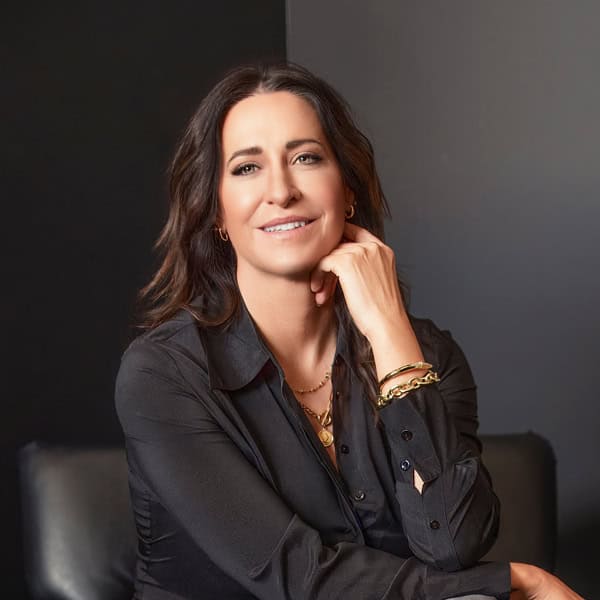
Dr. Katalina Dean
Dr. Katalina Dean is the founder and clinical director of Scoliosis Center of Utah, in Midvale, UT. Her team specializes in posture correction, spinal rehabilitation, and non-invasive scoliosis care and bracing.
Call Today
Do You Qualify for Care?
Schedule an Appointment Below