
Blogs
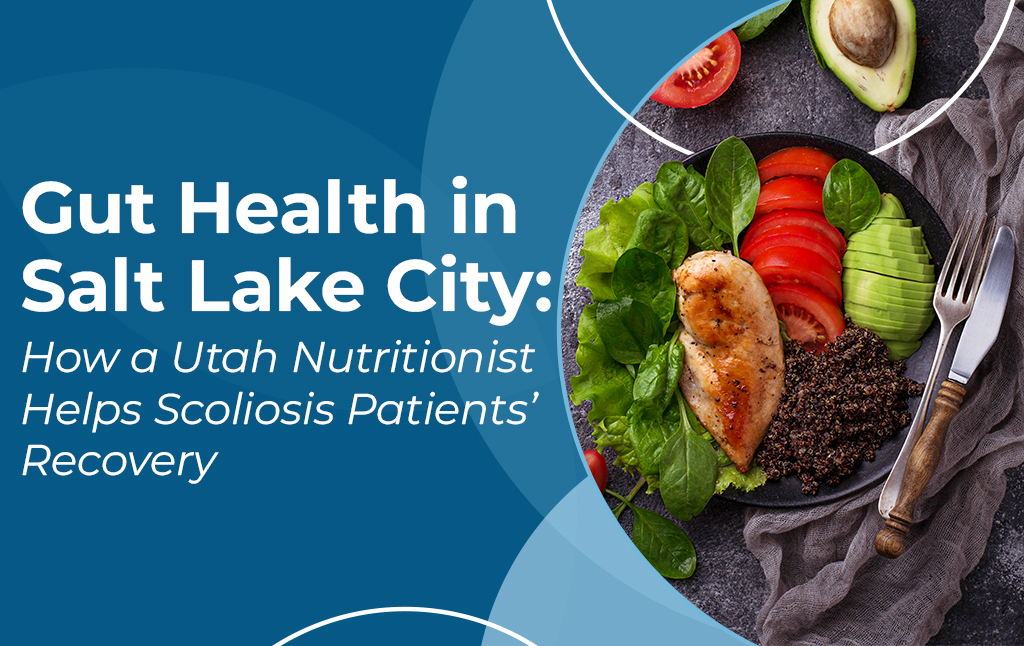
Gut Health in Salt Lake City: How a Utah Nutritionist Helps Scoliosis Patients’ Recovery
Scoliosis Recovery Is About More Than the Spine
In clinic, we see a pattern: many people managing scoliosis also report fatigue, gut discomfort, and signs of chronic inflammation—not just back pain or posture challenges. At the Scoliosis Center of Utah (Salt Lake City / Midvale), our focus is non-surgical scoliosis correction and bracing. But to help patients feel and function better, we often look beyond the curve itself.
That’s where Emilie Davis, MScN, a Utah-based gut health nutritionist and founder of Whole Essentials Nutrition, comes in. Emilie focuses on gut, autoimmune, skin, and mental health concerns. When we support the spine and the gut together, many patients feel more resilient and confident moving through treatment.
Why Are We Addressing This Subject?
Patients ask us all the time: “Is there anything else I can do besides adjustments, traction, and bracing?” Nutrition and gut health do not replace scoliosis care, but they can meaningfully support it by helping with:
- Pain and inflammation management
- Tissue healing and recovery between sessions
- Energy, mood, and participation in home rehab programs
When the internal terrain is calmer and better nourished, the body is often more ready to respond to corrective exercises and bracing.
Why Gut Health Matters in Scoliosis Recovery
The Gut’s Role in Inflammation and Healing
Your gut influences immune tone, inflammatory load, and nutrient absorption—all critical in musculoskeletal recovery. If the gut is inflamed or under-nourished, tissues stressed by scoliosis curves and corrective work can be slower to mend.
Common Gut Issues Scoliosis Patients Report
People in active care frequently mention:
- Bloating, constipation, diarrhea, or alternating patterns
- Food reactions that seem to flare joint pain or fatigue
- Heartburn or reflux, especially when posture is compromised
- Skin changes and mood shifts that track with gut symptoms
How These Issues Impact Scoliosis Care
Low nutrient absorption and persistent inflammation can:
- Slow muscle recovery after rehab sessions
- Make brace wear less comfortable (pressure + bloating)
- Reduce energy and motivation, making home exercises harder to sustain
What Is a Gut Health Nutritionist?
Functional Nutrition vs. “Just a Diet”
A gut health nutritionist uses nutrition strategies, functional testing (when appropriate), and lifestyle coaching to support gut balance and lower inflammation. This is not a one-size-fits-all “diet handout”—it’s personalized, based on symptoms, history, and (when used) lab data.
How a Nutritionist Fits into a Scoliosis Care Team
- Chiropractors & rehab providers focus on spinal structure, alignment, and movement patterns.
- A gut health nutritionist focuses on the internal environment: digestion, food patterns, blood sugar stability, and inflammatory load.
These roles are complementary—mechanics and physiology working together for the same outcome: steadier progress.
Meet Emilie Davis, MScN of Whole Essentials Nutrition
Emilie’s Background and Focus
Emilie is a gut-focused nutritionist (MScN) and owner of Whole Essentials Nutrition, based in Utah and working virtually. Her focus areas include:
- Digestive concerns: IBS, GERD, IBD-type patterns
- Autoimmune conditions: e.g., Hashimoto’s, rheumatoid arthritis, celiac patterns
- Skin conditions: eczema, psoriasis, acne
- Mental health and mood: anxiety, low mood, brain fog
How She Works with Patients
Emilie often begins with a comprehensive intake and, when appropriate, may recommend functional stool or related tests. From there, she builds stepwise plans using food, targeted supplementation (when appropriate), and lifestyle changes to help calm inflammation and support gut repair. Because she works virtually, patients from across Utah (and beyond) can access her care and maintain consistency during scoliosis treatment.
Clear Scope and Boundaries
Emilie holds a Master’s in Nutrition—she is not a medical doctor. Rather than diagnosing medical conditions or prescribing medications, she guides people toward a mindful, practical understanding of their food and body, and collaborates with physicians, chiropractors, and other providers. Her role is to support and complement your existing care.
If you’re receiving care at the Scoliosis Center of Utah and recognize yourself in the gut-related patterns above, consider adding a conversation about nutrition support. Talk with our team about your symptoms, and we can help you decide whether a referral to Whole Essentials Nutrition makes sense for your goals.
A calmer gut, steadier energy, and better nutrient support can make the day-to-day of scoliosis care more tolerable—and more effective.
Warmly,
Dr. Katalina Dean
Scoliosis Center of Utah
Educational note: This article is for information only and is not medical advice. Nutrition services complement, not replace, medical evaluation and scoliosis treatment. Always consult your healthcare providers about diagnosis and treatment decisions.
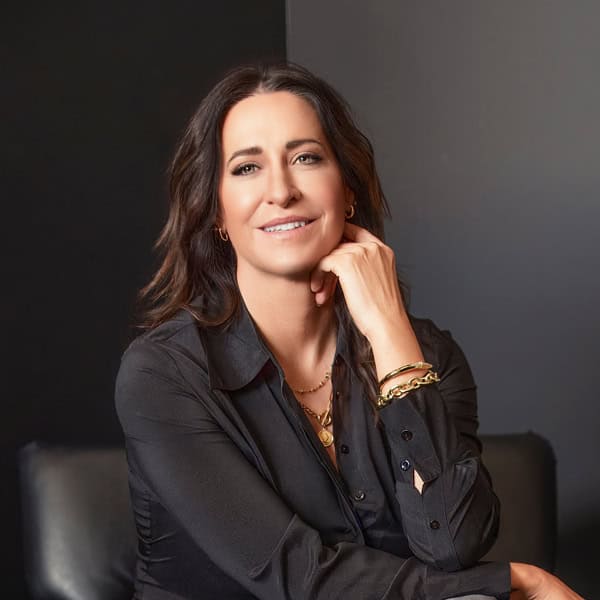
Dr. Katalina Dean
Dr. Katalina Dean is the founder and clinical director of Scoliosis Center of Utah, in Midvale, UT. Her team specializes in posture correction, spinal rehabilitation, and non-invasive scoliosis care and bracing.
Call Today
Do You Qualify for Care?
Schedule an Appointment Below